

Chicken is one of the easiest things to cook, and unfortunately, one of the easiest things to mess up. If you consistently struggle with dry, overcooked poultry, this chicken brine recipe will fix it.
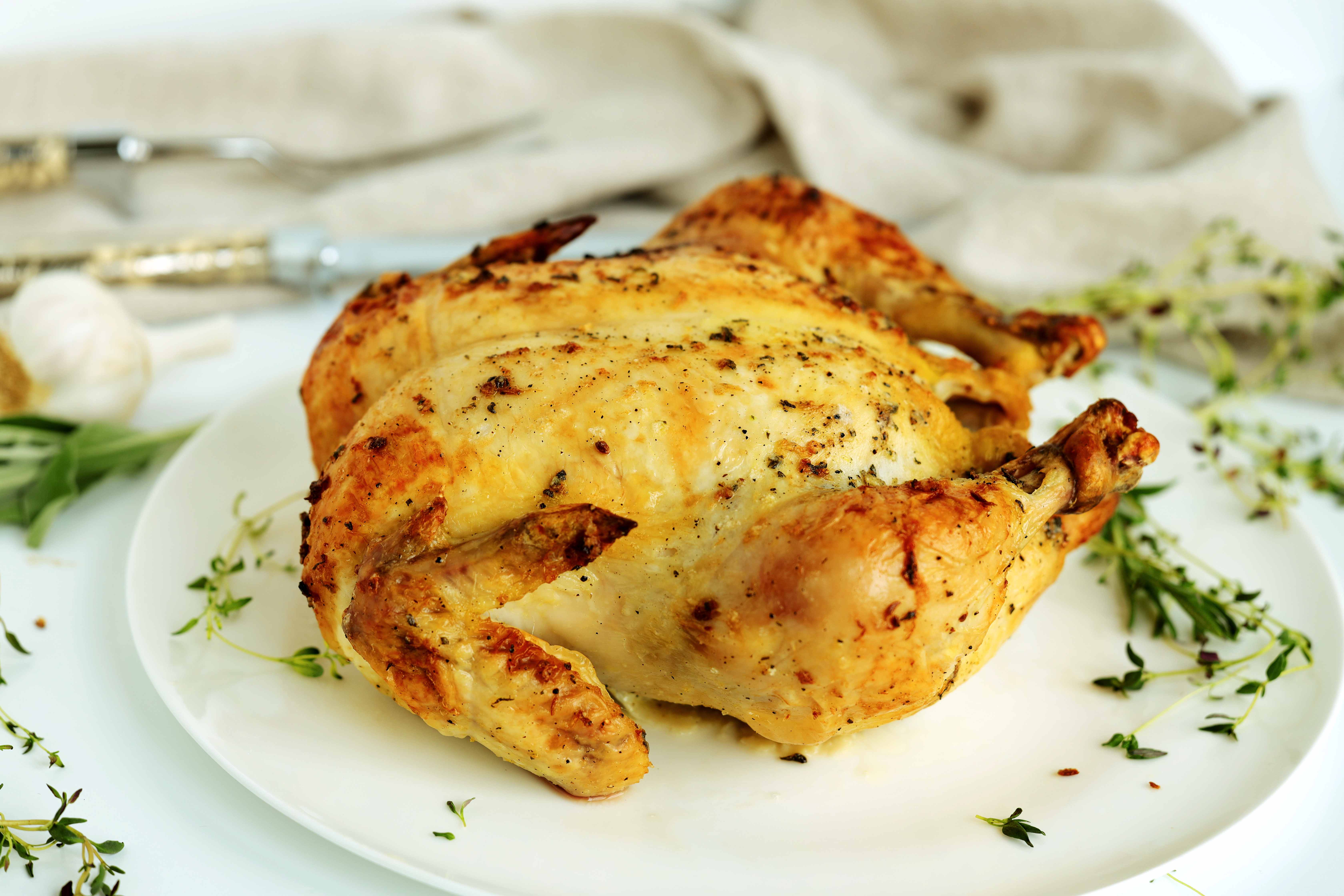
Once you've got your chicken perfectly brined, you can use it in just about anything, from simple weeknight dinners to crowd-worthy mains. If you need ideas, browse all of my chicken recipes here.
A chicken brine (a simple solution of salt, sugar, and water) comes together in less than 5 minutes and gives you real margin for error. It keeps chicken juicy, even if it cooks a little longer than intended. This is especially helpful for lean cuts like chicken breasts, but works just as well for whole chickens, leg quarters, thighs, and drumsticks.
Simplified for real kitchens and real life, this is the only brine recipe you'll ever need.
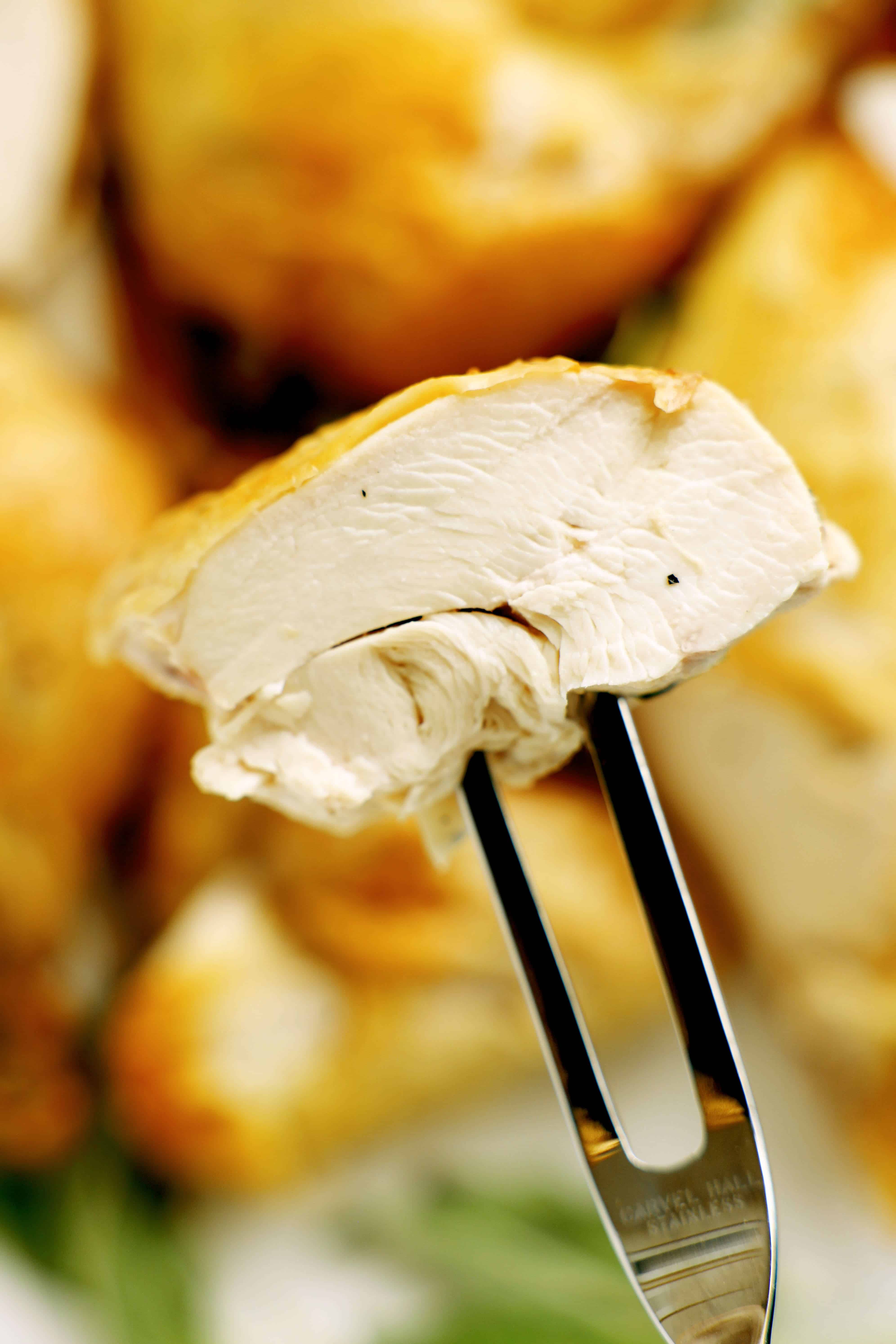
Table of Contents
My Go-To Brine (15 Years of Testing)
I've been perfecting roasted chicken for over 15 years, making it regularly for both family dinners and when we're cooking for a crowd. This is my go-to brine recipe whether the chicken is going in the oven, on the grill, or into the smoker. We even use this chicken brine for our Thanksgiving turkey (when there's absolutely zero room for dry meat).
Paired with my simple chicken seasoning and herbed butter, it's the reason we never serve dry chicken to company. It's not complicated, but it is consistent. This chicken brine recipe literally never fails.
What Is a Chicken Brine?
A brine is a solution of water and salt that helps to make meat juicier and more flavorful. Salt breaks down muscle proteins so they hold on to moisture. Think of a brine as a built-in buffer that keeps chicken juicy. If you've ever been nervous about overcooking chicken, this is your safety net.
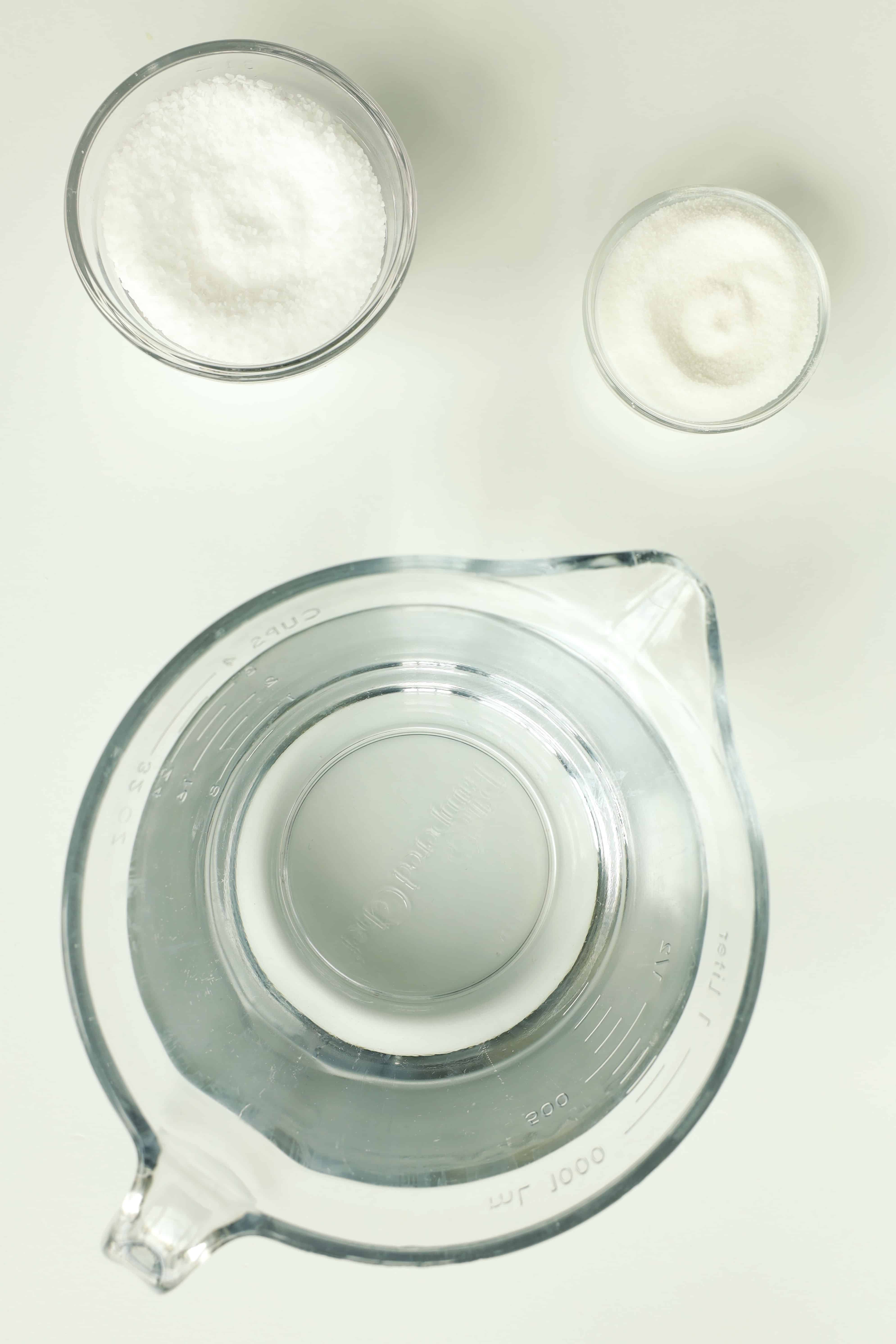
Sugar is also a common ingredient in chicken brines, not necessarily making the chicken sweet, but balancing and enhancing flavor. It also promotes browning through the Maillard reaction.
The Perfect Chicken Brine Ratio
For every 1 cup of water:
- 1 tablespoon Kosher salt
- 1 ½ teaspoons sugar
How Much Brine Do You Need?
Use just enough brine to fully submerge the chicken. The exact amount will depend more on your container and the shape of the chicken than its weight.
Quick Guide:
- Whole Chicken (4-5 pounds): 6-8 cups of brine
- Chicken breasts (about 2 pounds / 3-4 breasts): 2-4 cups of brine
- Chicken thighs or drumsticks (about 2 pounds / 4 thighs or 5-6 drumsticks): 4-6 cups of brine
Note: A zip-top bag will always require less brine, while a bowl or baking dish will require more.
Why Brining Keeps Chicken Juicy
A wet brine internally penetrates meat with added moisture thanks to Kosher salt. As the salt dissolves, it penetrates the meat and relaxes the meat's proteins. When they relax, they open up, creating space for water inside of the meat. This is why chicken soaked in a brine is much more likely to turn out juicy and maintain peak levels of moisture even after cooking.
How to Brine Chicken (Step-by-Step)
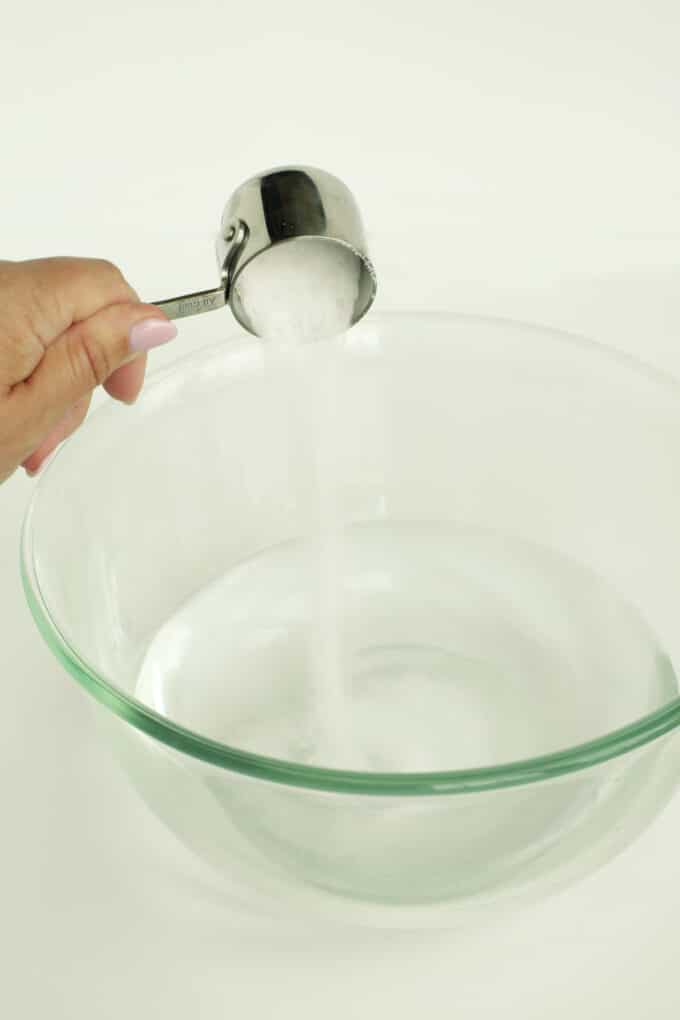
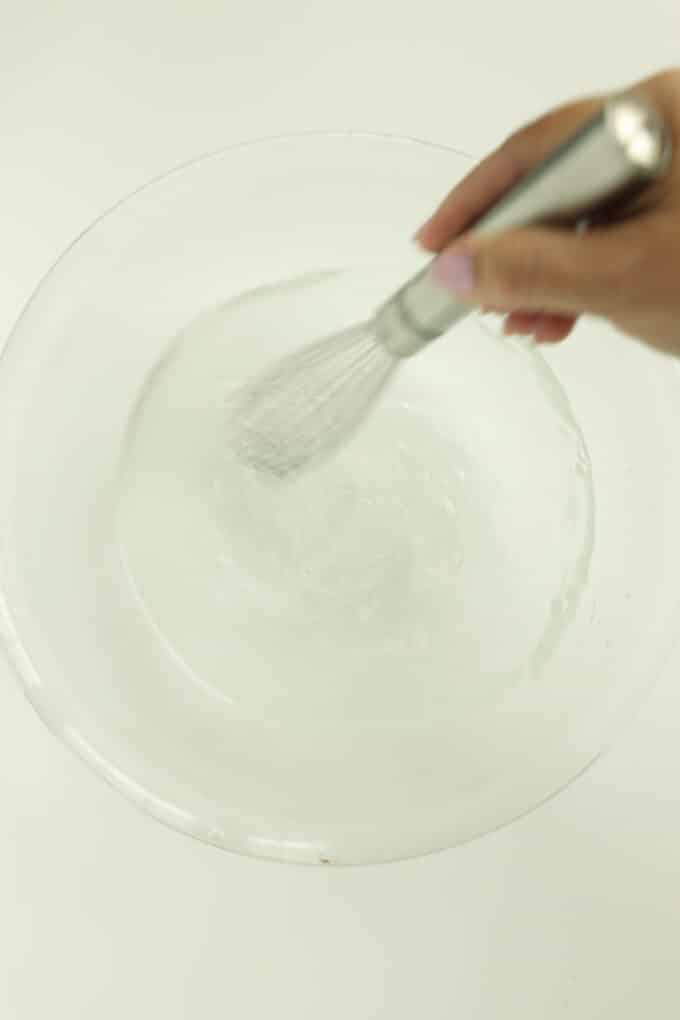
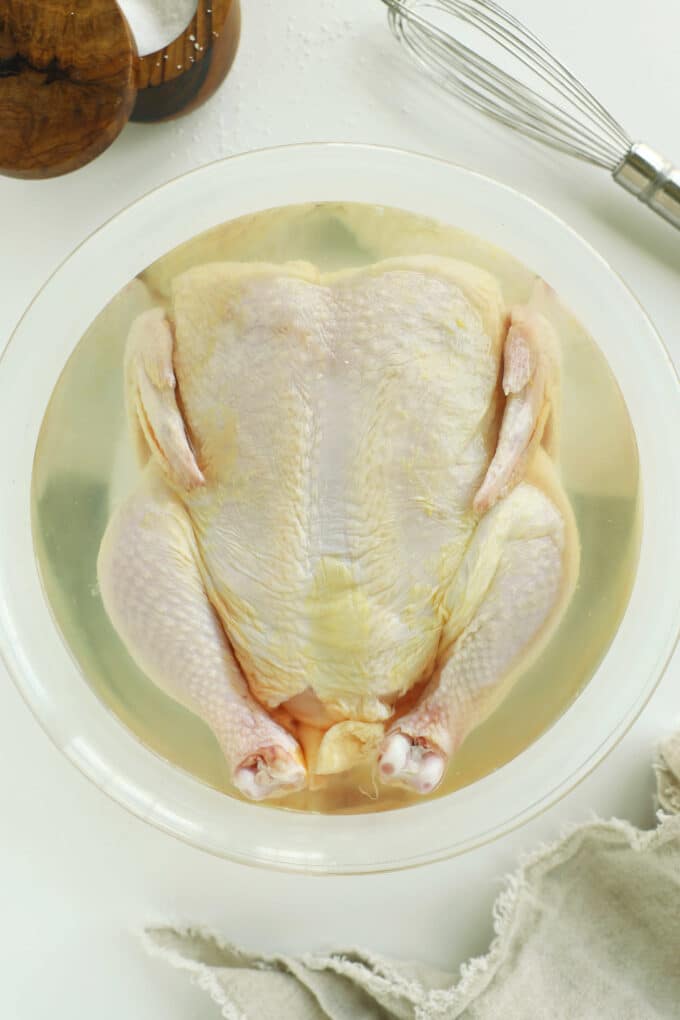
- Add cool water, Kosher salt, and sugar to a large bowl or pot
- Whisk until salt and sugar are completely dissolved
- Add any additional aromatics (optional)
- Submerge the chicken fully in the brining liquid and refrigerate
- Remove from the brine and pat dry with paper towels
- Season and cook as desired
Let the chicken rest, then slice it properly to keep it juicy. If you're not sure how, see our guide on slicing chicken breasts for the best texture.
Once brined, you can use this chicken in classic recipes like stuffed chicken, pan-seared chicken, blackened chicken, and more.

Chicken Brine Variations
The base formula for wet brines consists of water, Kosher salt, and granulated sugar. Every flavor variation below builds off of this base recipe:
- 4 cups water
- ¼ cup Kosher salt
- 2 tablespoons granulated sugar
Lemon Herb
Perfect for baked lemon pepper chicken.
- 4 smashed cloves of garlic
- 1 lemon, sliced
- 3 sprigs of rosemary
- 3 sprigs of thyme
- 2 tsp black peppercorns
Honey Mustard
Perfect for recipes like bacon and cheese smothered honey mustard chicken.
- 2 tbsp Dijon mustard
- 2 tbsp honey
- 2 tbsp apple cider vinegar
- 2 smashed cloves of garlic
White Wine + Herb
Perfect for baked chicken leg quarters recipe or chicken scallopini.
- Replace 1 c water with white wine
- 1 shallot, sliced
- 3 smashed cloves of garlic
- 2 bay leaves
- ⅓ c chopped parsley
Poultry Herb Brine
Perfect for crockpot chicken and stuffing.
- 4 smashed cloves of garlic
- 1 lemon, sliced
- 3 sprigs of rosemary
- 3 sprigs of thyme
- 2 sprigs sage
- ½ onion, sliced
- 2 tsp black peppercorns
Note: All flavor variations below are written for this 4-cup base. Scale as needed.
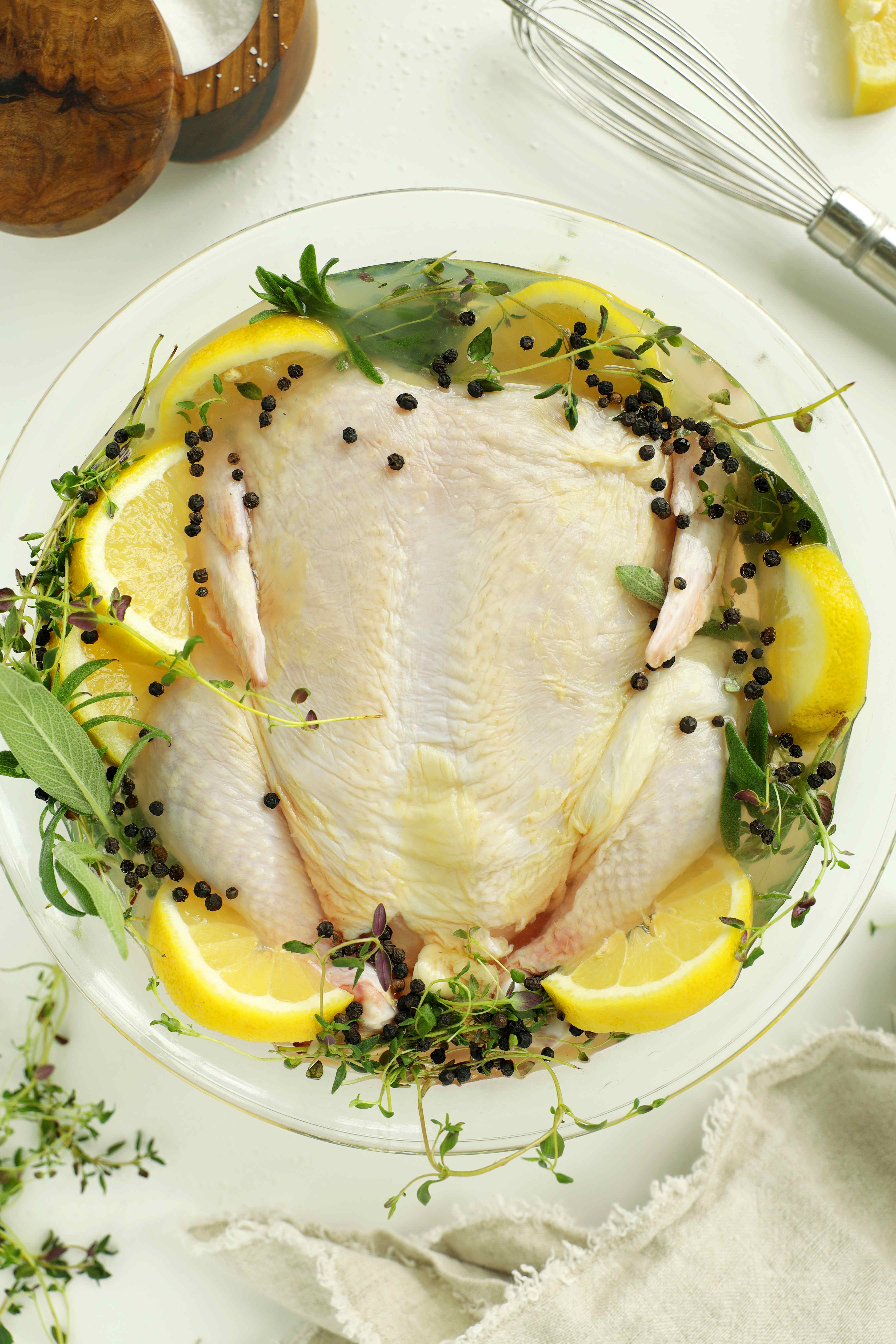
Once your brine is mixed, whether using the base recipe or one of the variations below, the next is determining how long to brine your chicken and what to brine it in.
How Long to Brine Chicken
The size and cut determine how long chicken needs to soak in order for a brine to be effective. But no matter the cut, it should always be fully submerged and refrigerated in a non-reactive container.
Chicken Breasts | Chicken breasts are lean and absorb salt quickly. This cut will only require 30 minutes—2 hours for an effective brine time. Since they don't require much brine, a zip-top bag or small container works best here and keeps the amount of brine to a minimum.
Chicken Thighs + Drumsticks | Because of the fat and connective tissue, thighs and drumsticks need 2—6 hours in a wet brine. Use a bowl, baking dish, or food storage container with enough brine to keep the chicken fully submerged.
Whole Chicken | Because of the size, skin barrier, and mixed cuts, whole chickens need 8—12 hours brine time. This requires a larger amount of brine, so use a large bowl, stockpot, or lidded container that can fully submerge a whole chicken and fit in your refrigerator.
Note: it's important not to brine too long. Over-brining can lead to soft, mealy texture or overly salty chicken.

Chicken Brine FAQs
Salt is necessary in a brine (it is the key factor in keeping the chicken moist during cooking), but sugar is optional. Use sugar if you want a more balanced flavor and better browning.
You do not need to rinse chicken after brining. Patting it dry with paper towels is sufficient.
Yes, if you brine chicken too long, the texture can become mushy and mealy and flavor could be overly salty.
Brines (water + salt + sugar) are maintaining moisture throughout the cooking process, while marinades (acid + oil + spices) are more about adding flavor to the chicken.
A dry brine consists of rubbing chicken down with salt and spices and letting it sit for a time prior to cooking. In this brining method, moisture isn't added to the chicken like in a wet brine, but it is more likely to bake up with a crispy, golden skin. This is a great brining method if you're short on time and the goal is as much about texture as it is flavor.
Wet brines serve as insurance against overcooking, soaking moisture into the chicken. This is the best brining method if the goal is flavorful, juicy chicken, especially if you're nervous about dryness.
It is best to use cold water for brining chicken. Salt and sugar easily dissolves in cold water after a small amount of whisking. If you use warm water, it must be cooled completely before adding the chicken.


Chicken Brine
Ingredients
- 4 cups water
- ¼ cup kosher salt
- 2 tbsp granulated sugar
Instructions
- Add water, salt, and sugar to a large bowl or container.
- Stir until completely dissolved.
- Add chicken and make sure it’s fully submerged.
- Cover and refrigerate:1–2 hours for breasts2–6 hours for chicken thighs and legs8-12 hours for a whole chickenBrine time will vary depending on the cut, use the ranges above for best results.
- Remove chicken, pat dry, and cook as desired.
Philip Anthony says
This brine keeps the chicken from drying out and has great flavor too